

Latest Version
Stefan Freischlad
IT Tools
Linux
Free
de.lernsoftware_filius.Filius
Report a Problem
More About Filius
Imagine trying to explain the invisible pathways of the internet to a classroom of students without any visual aids. Teaching complex networking concepts like IP routing, DNS resolution, and TCP/IP handshakes can quickly become an exercise in frustration. This is where Filius network simulator steps in to transform theoretical lectures into highly interactive, visual learning experiences.
What is the Filius Network Simulator?
Developed by Stefan Freischlad, Filius is a specialized IT tool designed specifically for educational environments. Running natively on Linux, this software allows teachers and students to design, configure, and test virtual networks without the need for expensive hardware. Unlike commercial-grade simulators that have steep learning curves, this platform focuses on pedagogical clarity, making it an ideal choice for high schools, universities, and self-directed learners who want to grasp the fundamentals of modern networking.
Core Features and Educational Benefits
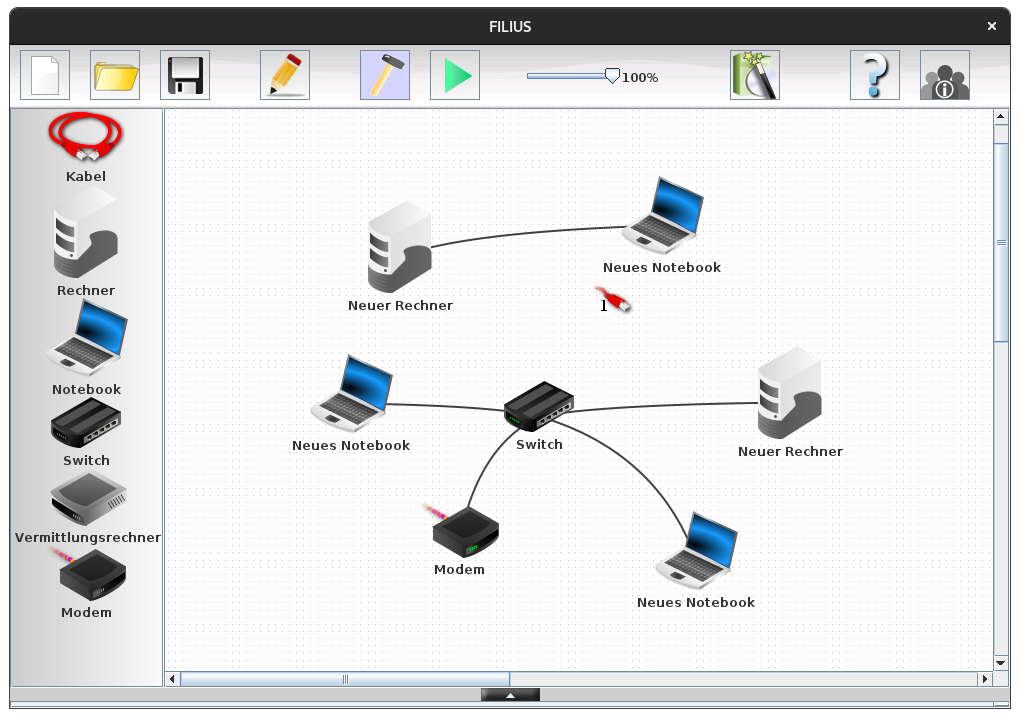
- Intuitive Drag-and-Drop Interface: Users can easily build networks by dragging computers, switches, routers, and cabling onto a digital canvas.
- Real-Time Packet Visualization: Watch data packets move through your custom-built infrastructure, helping students visually connect physical layouts with data transmission concepts.
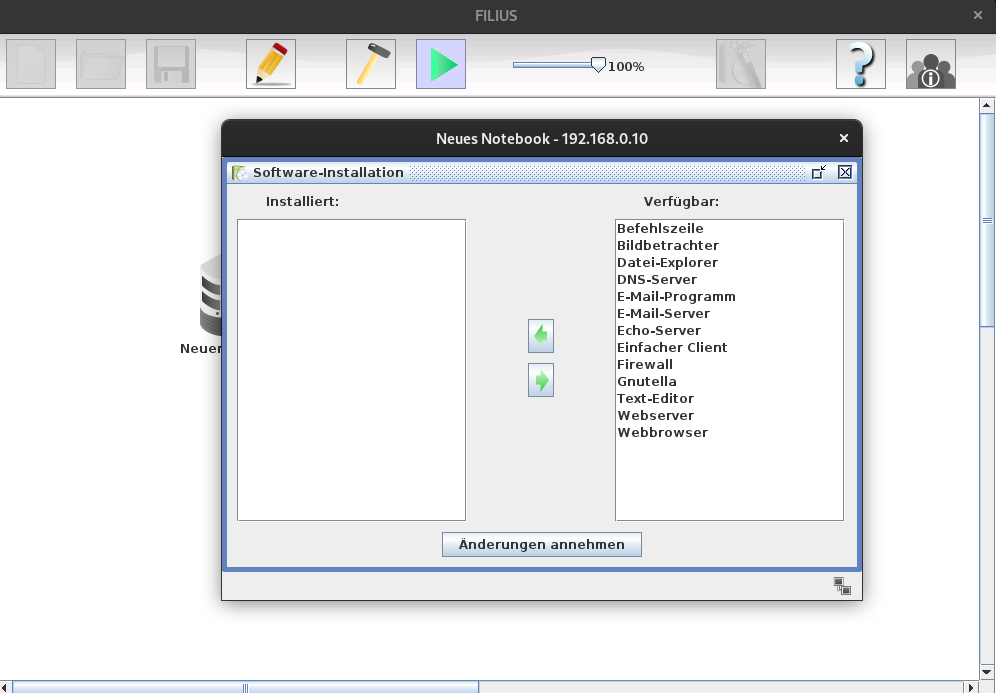
- Interactive Application Layer: Beyond simple cabling, users can install software on their virtual machines, such as web servers, browsers, and email clients, to see how applications interact across the network.
- Constructive Learning Curve: The software supports two distinct modes: a design mode for constructing the architecture, and a simulation mode for running diagnostics and observing live traffic.
Who is This Educational IT Tool For?
The Filius network simulator is perfectly tailored for computer science educators looking for a lightweight, free solution to illustrate abstract curriculum requirements. It is also an excellent sandbox for curious beginners who find professional tools like Cisco Packet Tracer too overwhelming. Because it runs efficiently on Linux systems, it is highly accessible for school computer labs utilizing open-source operating systems.
An Essential Addition to the IT Classroom
Ultimately, Stefan Freischlad has created a highly focused utility that bridges the gap between dry textbook theory and practical, hands-on experimentation. By allowing students to make mistakes, misconfigure routers, and troubleshoot their own virtual setups, it fosters a deeper diagnostic understanding of IT infrastructure.
If you are ready to elevate your computer science curriculum or personal study sessions, you can explore the software further and access it directly on its official store page via the Flathub Download Portal.
Rate the App
User Reviews

Popular Apps







Editor's Choice